
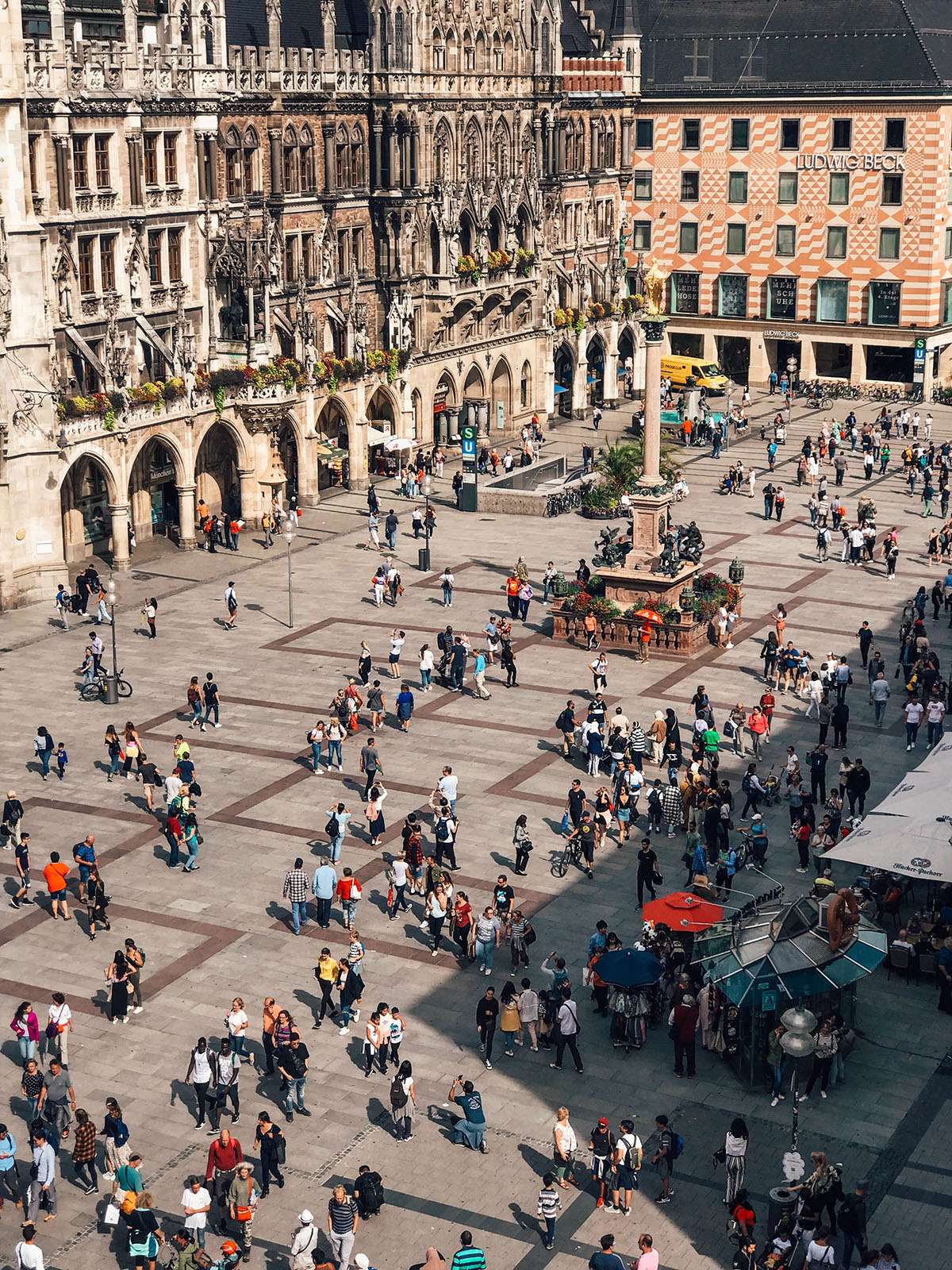
Tourist overcrowding in significant European cities has become a growing challenge as millions visit the same destinations every year. This trend has changed how people travel and how cities manage tourism, making it important to understand the history and habits behind modern travel.
Historical Travel and Tourist Overcrowding in European Cities
Travel to major European destinations once formed the traditional Grand Tour, where scholars visited London, Paris, Venice, Florence, and Rome. Although the Grand Tour ended after the French Revolution, it established the cultural travel patterns that still influence today’s tourism.
Types of Travel That Contribute to Tourist Overcrowding
Travel may be local, regional, national, or international. International trips, especially to popular European destinations, contribute significantly to rising crowd levels. Many journeys require passports, visas, or round-trip planning.
How Travel Movement Impacts European Cities
Travel includes movement by foot, car, train, airplane, or ship. As transportation options have expanded, so has the number of visitors arriving at the same locations. This increased mobility puts pressure on infrastructure, especially in attractions within Europe’s busiest cities.

Remote Work and Its Influence on Overcrowding in European Cities
Remote work has encouraged flexible travel routines. While this gives people more freedom, it also increases visitor numbers in cities that were already struggling with high tourist volumes.
Reasons for Travel and the Rise of Tourist Overcrowdin
People travel for leisure, work, cultural curiosity, adventure, or escape. As more travelers seek well-known European landmarks, foot traffic continues to rise, influencing local businesses and daily life.
Vacation Culture and Overcrowding in Major European Cities
Countries worldwide follow different vacation policies. The U.S., for instance, offers varied paid-leave systems, contributing to seasonal peaks when large numbers of people travel to Europe during holidays or long weekends.
Travel in Media and the Attraction Toward Overvisited European Cities
Movies, books, and social media often highlight picturesque European sites. These portrayals inspire millions to visit the same locations, adding to crowding in the most photogenic cities.
Global Holidays and Their Effect on Tourism Pressure in Europe
Events like Independence Day, Lunar New Year, or national celebrations often encourage tourism spikes. During these periods, cities already dealing with heavy visitor flow experience even more congestion.
Substitute Holidays and Crowd Growth in Major European Cities
When holidays fall on weekends, substitute weekdays often create longer breaks. These extended weekends lead to increased travel planning and higher visitor numbers in major cities.nger weekends. These extended breaks frequently increase travel demand, which can intensify tourist overcrowding in European cities.